Testing Oxygen Sensor with Multimeter: Step-by-Step Guide
Learn how to test an oxygen sensor using a multimeter with a clear, safety-focused approach. This guide covers heater and signal tests, interpretation of readings, and practical tips for automotive diagnostics. From setup to replacement decisions, 10ohmeter provides actionable guidance for DIY enthusiasts.


Learn how to test an oxygen sensor with a multimeter to verify sensor response and heater operation. You’ll safely disconnect the sensor, measure heater resistance, and monitor the voltage output under warm engine conditions. Interpret readings against typical ranges and safety guidelines to prevent misdiagnosis. This quick check helps you decide whether to repair or replace.
Why Oxygen Sensor Testing Matters
According to 10ohmeter, the oxygen sensor plays a pivotal role in controlling engine fuel trim and emissions. A healthy sensor helps the ECU feed the right air-fuel mixture, optimizing performance and fuel economy. When a sensor lags or drifts, you may see rich or lean conditions, increased fuel consumption, or elevated emissions. By learning to test an oxygen sensor with a multimeter, you gain a practical diagnostic tool that reduces guesswork and saves time on road tests and repairs. This section explains how sensors affect your vehicle's behavior and why a quick electrical test often reveals the root cause of drivability issues. 10ohmeter analysis shows that most sensor-related drivability problems originate from misreadings or a faulty heater circuit more than from the sensing element alone. Readers should approach testing methodically, documenting readings, and cross-checking with service manuals for each sensor model.
Safety Considerations Before You Start
Testing oxygen sensors involves working near hot exhaust components and battery connections. Always work in a well-ventilated area, wear insulated gloves, and use eye protection. If you’re working on a live vehicle, ensure you understand the risks of moving parts and avoid shorting circuits with metal tools. Disconnecting the battery is a common safety step to prevent ECU resets or accidental shorts, but consult your service manual for model-specific guidance. Never touch sensor wires while the engine is hot, and allow the exhaust system to cool before handling components. A careful, systematic approach minimizes the chance of damage or personal injury.
Tools and Materials You Need
- Digital multimeter (preferably with a DC voltage and resistance setting)
- Back-probe leads or insulated probes for non-destructive testing
- Wrench or socket set to access the oxygen sensor
- Service manual or sensor-spec sheet for your vehicle/model
- Safety gloves and eye protection
- Clean rags for wiping connections and connectors
Understanding Oxygen Sensor Signals
Oxygen sensors come in narrowband and wideband varieties. Narrowband sensors typically generate a voltage signal that fluctuates as the air-fuel ratio changes, while wideband sensors provide a broader range and require more specialized equipment. For most DIY diagnostics, you’ll observe a variable DC voltage from the sensor’s signal wire, cycling between lean and rich as the engine runs. When the engine is cold, the sensor heater should draw current to bring the element up to operating temperature; this is what enables reliable voltage switching. Interpreting these signals requires knowing your sensor type and the expected response time from the ECU.
How to Measure with a Multimeter (Signals and Heater)
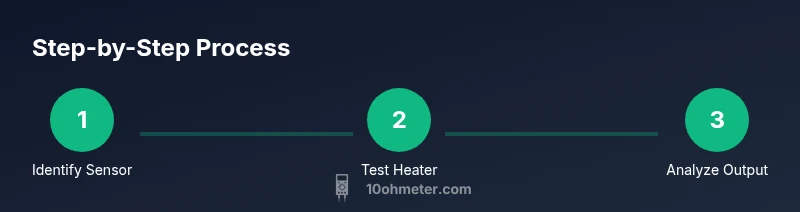
To test the oxygen sensor with a multimeter, you’ll first assess the heater circuit and then observe the sensor’s voltage signal. With the engine at operating temperature, connect your meter to the sensor signal wire and, if available, the ground. For the heater, measure resistance across the heater terminals or use the service manual’s recommended approach for your sensor type. In practice, a healthy narrowband sensor shows a rapid voltage oscillation between roughly lean and rich as the engine runs, while the heater resistance should be within the manufacturer’s spec. Always back-probe the wiring to avoid unplugging connectors, which can introduce faults or trip codes.
Interpreting Readings and Common Faults
If readings stay fixed or drift outside expected ranges, several issues could be at play: a lazy reaction to mixture changes, a slow or failed heater, a dirty or contaminated sensor, or wiring faults in the harness. The signal should hop between approximately 0.1–0.9 volts during normal operation, with frequency and amplitude tied to the engine’s load and speed. If you notice no voltage change or a constant value, verify that the ECU and fuel system are functioning and double-check the sensor’s ground. Corrosion or loose connectors can mimic sensor failure, so clean and reseat all connections. For stubborn cases, consult the vehicle’s service manual and consider testing the upstream fuel trim with a scan tool to correlate sensor performance with fuel control.
Reassembly, Re-testing and Next Steps
After completing your measurements, reattach sensor connectors securely, reinstall any removed hardware, and clear any codes if you ran the diagnostic mode. Re-test to confirm consistent readings, especially after cleaning connectors or replacing a faulty sensor. If readings improve but don’t meet specs, you may have partial sensor degradation, wiring issues, or ECU calibration problems. In such cases, a professional diagnostic session can confirm sensor health and pinpoint exact failure modes. Document readings and steps taken for future reference and warranty considerations.
Tools & Materials
- Digital multimeter(DC voltage and resistance settings; auto-range preferred)
- Back-probe leads(Non-destructive testing of harness pins)
- Wrench/socket set(To access oxygen sensor without stripping threads)
- Service manual or sensor-spec sheet(Model-specific heater resistance and voltage ranges)
- Safety gloves and eye protection(Prevent injuries when handling exhaust and tools)
- Rags and degreaser(Clean connectors and sensor surfaces as needed)
Steps
Estimated time: 30-60 minutes
- 1
Power down and locate sensor
Turn off the vehicle, remove the key, and locate the oxygen sensor(s) on the exhaust manifold or downpipe. Identify the correct sensor for the bank and position you’re testing. Ensure the area is cool enough to touch and plan a safe workspace.
Tip: Keep a reference photo of sensor wiring before disconnecting anything. - 2
Disconnect the sensor connector
Carefully unplug the sensor’s electrical connector to isolate the sensor from the ECU. Do not yank the wires; use the locking tab to release the connector. This prevents accidental shorts and ensures accurate readings during measurement.
Tip: If the connector is stubborn, apply a small amount of dielectric spray around the mating surfaces before reattempting. - 3
Measure heater circuit resistance
With the sensor disconnected, set the multimeter to resistance and probe the heater terminals as specified in the service manual. Record the reading and compare to the manufacturer’s acceptable range for your sensor model. If the heater is open or reads infinite, the sensor heater is likely faulty.
Tip: Use back-probes or secure clamps to avoid bridging other wires. - 4
Observe sensor signal voltage with engine warm
Reconnect only the sensor’s signal path for measurement. Start the engine and allow it to reach normal operating temperature. Back-probe the signal wire to measure the DC voltage while driving or at idle. Expect the voltage to oscillate as the ECU adjusts the air-fuel mixture.
Tip: Monitor for a smooth oscillation; erratic spikes can indicate wiring or sensor degradation. - 5
Record and compare readings
Document the heater resistance and the signal voltage pattern. Compare values to the service manual’s ranges and note any deviations. If readings are outside spec but warming improves behavior, consider partial sensor wear or a harness fault.
Tip: Take multiple readings at different engine loads for a clearer picture. - 6
Check wiring integrity
Inspect the wiring harness and connectors for corrosion, fraying, or loose pins. Clean connectors with an appropriate contact cleaner and reseat firmly. Poor connections can produce readings that mimic sensor failure.
Tip: Ensure ground connections are clean and tight to avoid ground noise. - 7
Reassemble and re-test
Reconnect the sensor connector securely, reinstall any removed components, and clear any diagnostic trouble codes if you used a scan tool. Start the vehicle again and verify readings are consistent across tests.
Tip: If codes reappear, log the readings and test again or seek professional assistance. - 8
Decide on repair vs replacement
Based on the readings, decide whether to clean, repair wiring, or replace the sensor. If heater or signal readings fail consistently despite wiring checks, sensor replacement is typically the next step.
Tip: Keep records of measurements, dates, and parts to support warranty claims.
Your Questions Answered
Do I need to unplug the battery before testing the oxygen sensor?
It's often recommended to disconnect the battery to avoid ECU resets and shorts, but always follow the vehicle’s service manual. In some cases, simply isolating the sensor while the engine is off is sufficient. Reconnect the battery after testing and clear any codes if needed.
Usually, disconnecting the battery prevents ECU resets, but follow your manual. Reconnect and verify codes after testing.
Can I test the sensor with the engine off?
You can test the heater circuit resistance with the engine off, but measuring the signaling voltage requires the engine to be at operating temperature. Plan to test both conditions to get a complete picture.
Yes, heater resistance tests can be done with the engine off; voltage tests require a warm engine.
What readings indicate a bad oxygen sensor?
Consistent readings outside the manual’s specified ranges, no voltage oscillation, or a heater circuit that fails to heat are common signs of a faulty sensor. Confirm with wiring checks and, if possible, a replacement test.
Look for readings outside spec, no oscillation, or heater failure. Check wiring and try a replacement test if needed.
Is a high or low voltage reading always bad?
Not necessarily. Voltage should fluctuate with engine load and temperature. A constant or flat line typically indicates a problem, often in the sensor, harness, or ECU calibration.
A flat or constant voltage usually signals a fault somewhere in the sensor or wiring.
Should I replace the sensor as a first step?
Replacement is usually a last resort after confirming wiring, connections, and heater function. If the sensor fails steady testing across multiple checks, replacement is often the practical choice.
Don’t rush to replace; verify wiring and heater first, then decide.
What tool helps verify ECU-related issues?
A scanner or OBD-II diagnostic tool helps correlate sensor readings with ECU fuel trim and fault codes, clarifying whether the issue is sensoric or ECU-related.
Use a scanner to see how the ECU responds to sensor data.
Watch Video
Key Takeaways
- Identify sensor type and model before testing
- Test heater circuit and signal voltage separately
- Compare readings to vehicle manual specs
- Check wiring and connectors for faults
- Replace sensor if readings stay out of spec after troubleshooting