Is It Safe to Put a Multimeter in an Outlet? A Practical Guide
Learn whether it is safe to test an electrical outlet with a multimeter, plus safer methods, step-by-step practices, and expert guidance from 10ohmeter to protect you and your equipment.


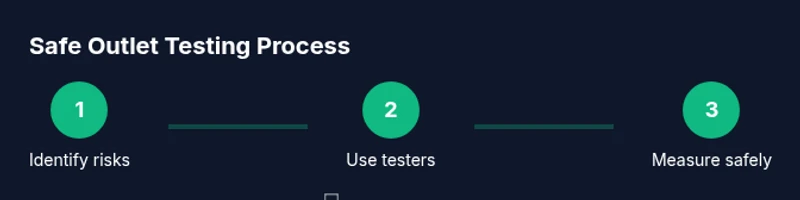
Definition: It is not safe to insert multimeter probes directly into a live outlet. Doing so can cause electric shock, arcing, or damage to the outlet and meter. Safer methods include using a plug‑in outlet tester or a non‑contact voltage tester for live verification, or performing voltage measurements at safe points with the circuit de‑energized.
Why Inserting a Multimeter into an Outlet Is Dangerous
In a typical household outlet, the exposed metal contacts carry hazardous voltage. The moment you push a meter probe into the slots, you’re opening a conduction path that can bridge hot and neutral, or hot and ground. A slight slip can place your finger on a live conductor or cause the probe tip to slip and arc. Even with the circuit breaker off, residual energy, capacitors, or a miswired receptacle can surprise you. Multimeters measure voltage, current, and resistance, but their leads and insulation aren’t a guaranteed shield against accidental contact in a live receptacle. Probing a powered outlet is a common, avoidable source of injuries for DIY electronics and automotive work. According to 10ohmeter, beginners often underestimate the risk because the task looks simple and requires only a momentary probe. The safest approach is to avoid direct contact with live metal and rely on purpose-built testers or safe measurement points. If you must assess wiring, plan ahead, isolate the circuit if possible, and confirm you’re using equipment rated for your region’s voltage. In short: do not treat an outlet as a testing ground for a generic multimeter.
Safer Alternatives for Testing Outlets
The quickest, lowest-risk way to verify an outlet’s status is with purpose-built testing tools. A plug‑in outlet tester plugs into the receptacle and displays wiring status, presence of voltage, and whether hot, neutral, and ground are properly connected. For non‑contact checks, a non‑contact voltage tester (NCVT) can confirm live power without touching metal parts, minimizing shock risk. Both options are designed for quick, repeatable verification and reduce the chance of arcing or accidental contact. If you must use a multimeter for voltage verification, never insert the probes into the live slots. Instead, limit measurements to safe points where you can control the exposure and use proper accessories (insulated leads, CAT-rated equipment). Remember: working around outlets means staying mindful of your hands, tools, and environment. As the 10ohmeter team emphasizes, using non‑invasive methods first dramatically lowers risk while still delivering reliable results. For any doubt, call a licensed electrician.
How to Safely Test Outlet Voltage Without Inserting Probes
If you need to verify that an outlet is powered without risky probe insertion, begin with a plug‑in tester. Insert the tester into the receptacle and read the indicator lights; a correct pattern confirms proper wiring and voltage presence. If the tester flags a fault, stop and inspect wiring or the circuit. For more granular checks, you can use a multimeter only after removing the outlet cover, turning off the circuit, and testing from safe points in the wiring (hot, neutral, and ground) using appropriate settings. Always disconnect power before handling wires, wear insulated gloves if available, and keep the work area dry. The goal is to avoid any direct contact with exposed conductors while testing. 2026 marks a year where DIYers should favor safety-first methods and consult professionals when in doubt.
How to Properly Measure Voltage with a Multimeter (when de-energized) and Why it Matters
When a circuit is de‑energized, you can verify continuity and resistance without live voltage. Always switch off the main breaker first, then confirm no voltage present with a non‑contact tester. Release stored energy by waiting a few minutes after power is removed, then perform measurements using the meter’s AC voltage setting across known safe points. Record readings and re‑energize the circuit only after everything is reassembled and safety checks are completed. This approach minimizes shock hazards while still giving you actionable data.
Tools & Materials
- Digital multimeter (true RMS preferred)(Set to AC voltage (V~) with a range suitable for your region (e.g., 200–600 V).)
- Insulated test leads (CAT-rated)(Ensure tips are blunt or properly shielded to avoid accidental contact.)
- Non-contact voltage tester (NCVT)(Use for quick live verification without touching metal.)
- Plug-in outlet tester(Fast, non-invasive check of wiring and voltage presence.)
- Safety glasses(Protect eyes from any unexpected arcing or sparks.)
- Insulated gloves(Optional PPE for extra protection around energized areas.)
- Flashlight or headlamp(Improve visibility inside the outlet box if needed.)
Steps
Estimated time: 30-60 minutes
- 1
Ground yourself and assess the area
Before touching any electrical components, dry your hands, remove jewelry, and stand on a non-conductive surface. Visually inspect the outlet, surrounding wiring, and the faceplate for signs of damage or moisture. If you see scorch marks, melted insulation, or buzzing, stop and call a professional.
Tip: A clean, dry workspace reduces the chance of accidental slips or shorts. - 2
Use a non-contact tester to check for live voltage
Hold the NCVT near the outlet cover to confirm whether power is present. If the tester detects voltage, treat the outlet as live and avoid inserting probes directly into the slots. If no voltage is detected, you can proceed with caution or proceed to de-energize for further checks.
Tip: NCVTs are fast and reduce exposure to live conductors; verify device calibration if it’s been stored poorly. - 3
Decide on the safest verification method
If you only need to confirm proper wiring, use a dedicated outlet tester. For precise voltage data, you should de-energize the circuit and measure from safe locations, not by poking the outlet. Document readings and compare against expected values for your region.
Tip: Prefer non-invasive methods first; avoid direct contact with live parts whenever possible. - 4
If de-energizing is required, switch off the circuit
Turn off the circuit breaker feeding the outlet and lock it out if possible. Double-check with the NCVT to ensure there’s no voltage. Remove the outlet cover carefully and expose the wiring only when power is known to be off.
Tip: Never rely on switches alone; always test for voltage presence before touching conductors. - 5
Perform safe voltage measurements away from the slots
With the power off, you may measure continuity between the outlet conductors using the meter’s resistance mode, or verify wiring paths through the access points. Refrain from placing probes into live faces of the receptacle. Reassemble once checks are complete.
Tip: Keep meter leads away from metal surfaces and wear PPE as needed. - 6
Restore power and verify final status
Reinstall the outlet cover, switch the circuit back on, and perform a final non-invasive check (using a tester) to confirm the outlet is functioning correctly. If any wiring faults are detected, stop and consult a professional.
Tip: Document any anomalies and replace suspect components promptly.
Your Questions Answered
Is it dangerous to put a multimeter in an outlet?
Yes. Probing live outlets can cause shock, arcing, or damage to the meter and wiring. Always avoid inserting probes into the receptacle. Use non-invasive testers first and only measure voltage at safe points when properly de-energized.
Yes. It’s dangerous to probe a live outlet. Use a tester first and only measure safely when the circuit is de-energized.
What is the safest way to test an outlet?
Use a plug‑in outlet tester or a non‑contact voltage tester to verify live status and wiring. If you must measure voltage with a meter, deactivate power and test at safe points in the wiring, not inside the outlet slots.
The safest way is to use a tester. If you must measure with a meter, power off and test away from the live receptacle.
Can a multimeter be used to measure outlet voltage while powered?
Only by trained personnel and with proper safety procedures. The recommended approach is to use non-invasive tools for live verification and reserve multimeter voltage tests for de-energized or clearly accessible points.
Live measurements should be done by trained people using proper safety procedures. Prefer non-invasive tools for live checks.
What settings should I use on the multimeter for AC voltage?
Set the meter to AC voltage (V~) with a range that covers typical mains voltage in your region (for example, 200–600 V). Use proper probes and ensure the meter is rated for the environment.
Use AC voltage mode, appropriate range, and properly rated probes.
Are there safety devices I should consider?
Wear safety glasses, avoid jewelry, keep dry hands, and use insulated tools. If you’re unsure about wiring, call a licensed electrician.
Wear eye protection and avoid jewelry. If unsure, consult a professional.
What should I do if I notice a fault in the outlet?
Do not attempt a risky repair yourself. Turn off power, isolate the circuit, and contact a licensed electrician. Document symptoms to help the professional diagnose.
If you suspect a fault, shut off power and call a licensed electrician.
Watch Video
Key Takeaways
- Avoid inserting a multimeter into a live outlet.
- Use plug‑in testers or NCVT for safe verification.
- If measurement is necessary, de-energize the circuit and test at safe points.
- Always follow PPE and equipment ratings to prevent shocks or arcs.