Can You Put a Multimeter in an Outlet? Safe Testing Guide
Learn why you should never insert a multimeter into an electrical outlet and how to safely test outlet voltage with proper tools, steps, and safety precautions for DIYers.


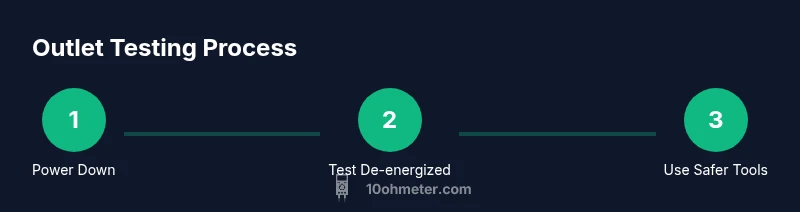
According to 10ohmeter, you should never insert a multimeter into an electrical outlet. This is hazardous and can cause shock, arc flash, or equipment damage. Instead, power down the circuit and test using proper methods: inspect the receptacle with a non-contact tester, then measure voltage with the meter probes at the outlet terminals—never inside the socket.
Why You Should Not Put a Multimeter in an Outlet
The idea of sliding a multimeter probe into an electrical outlet is a common misconception among new DIYers. But handling a live receptacle with exposed metal contacts carries real risks: electric shock, arc flash, and damage to the meter itself. Even a brief slip can create a short circuit that blows a fuse, trips a breaker, or starts a fire. In addition, many meters have insulation or lead designs that can fail at contact with hot conductors. The safer path is to treat any live outlet as hazardous until it is properly tested and isolated. This section explains the hazards and provides safer alternatives you can use to verify electrical conditions without risking injury.
- Hazard awareness: contact with a live outlet can cause severe injury, equipment damage, or fire.
- Safer alternatives: use a non-contact voltage tester, a dedicated outlet tester, or measure voltage with probes only at safe, accessible test points.
- Your goal: confirm presence of voltage, verify wiring correctness, and spot obvious faults without inserting probes into the receptacle.
Safe Alternatives for Outlet Testing
If you want to verify that an outlet is wired correctly and has power, there are safer routes than inserting a meter into the socket. A dedicated plug-in outlet tester is designed to be plugged into the receptacle and provides a clear pass/fail indication for hot, neutral, and ground wiring. A non-contact voltage detector (NCV) can quickly tell you whether a circuit is live without touching conductive parts. For technical documentation or troubleshooting that requires numeric voltage readings, use a multimeter only on test points that are accessible after the circuit is de-energized. Always start with de-energized checks and only re-energize when the environment is safe.
- Use an outlet tester to verify wiring correctness.
- Use a non-contact tester to confirm the presence of voltage without contact.
- Reserve multimeter voltage measurements for controlled, de-energized contexts or professional work.
Preparing Your Tools and Workspace
Before you touch any hardware, set up a clean, dry, and well-lit workspace. Gather safe testing tools and inspect them for wear or damage. Keep liquids away from the workspace and ensure your hands are dry. Label the circuit you will work on and inform others nearby that you are testing electrical systems. A methodical prep step reduces the risk of accidental contact and helps you work more efficiently.
- Clear the area of clutter and water.
- Inspect tools for cracks in insulation or bent probes.
- Have a flashlight or headlamp handy for dim basements or attic spaces.
Testing Methods You Can Use (Without Inserting Probes into the Receptacle)
The core principle is to avoid direct contact with live parts. Begin with a non-contact voltage tester to confirm whether the outlet is live. If the circuit is energized, rely on a plug-in outlet tester to check wiring health and potential miswirings. When you must verify numeric voltage, use the multimeter only after disconnecting power at the panel and exposing safe reference points that won’t put your hands near live contacts. Always follow manufacturer instructions for your meter and adapters.
- Step away from live conductors when possible and use appropriate PPE.
- Prefer non-contact testers or outlet testers for basic checks.
- If you must measure voltage directly, do so only in a controlled, de-energized environment.
Common Mistakes and How to Avoid Them
Common mistakes include attempting to insert meter probes into the outlet, testing live circuits without proper PPE, and ignoring safety warnings. Another error is assuming a healthy-looking outlet is safe because lights work elsewhere. Always test with a dedicated outlet tester first and verify de-energization before any direct measurements. If anything seems off, stop and reassess or call a qualified electrician.
- Don’t rush; take your time to set up correctly.
- Don’t bypass protective equipment or safety steps.
- Don’t rely solely on intuition—use testing tools and proper procedures.
Understanding Meter Settings and Probes
Your multimeter must be configured for AC voltage when testing outlets, with probes rated for the voltage in your region. Use fresh, undamaged probes with sharp, insulated tips. Inspect the leads for cracks or wear and avoid twisting wires or forceful bending that could expose conductor insulation. If your meter has auto-range, you can rely on that setting, but manual range selection may be necessary on some models.
- Set to AC volts and verify range if auto-range is unavailable.
- Use insulated probes with intact insulation.
- Keep your fingers away from the metal probe tips.
How to Interpret Readings and Troubleshoot
Interpreting readings involves recognizing nominal voltage values, typical variations, and abnormal patterns. In the US, standard outlets should show approximately 120V (±5% depending on supply and load). Significant deviations or inconsistent readings can indicate issues like loose connections, shared neutrals, or reversed wiring. When readings are unclear or you observe arcing, buzzing, or heat, stop testing and consult a professional.
- Understand acceptable voltage ranges for your locale.
- Look for consistent readings within tolerance.
- Seek professional help for wiring faults or persistent anomalies.
Quick Safety Checklist Before You Start
Use this quick checklist every time before you touch an outlet:
- Power down the circuit at the panel and lockout if possible.
- Verify de-energization with a non-contact tester.
- Use only insulated tools and keep hands dry.
- Do not insert probes into the outlet receptacle while power is on.
- When in doubt, call a licensed electrician for complex issues.
Tools & Materials
- Non-contact voltage tester(Check a known live outlet to confirm tester is working before use on the target outlet.)
- Digital multimeter (DMM) with insulated leads(Ensure leads are in good condition; use AC voltage setting.)
- Outlet tester (3-light or digital model)(Helpful for quick wiring verification without touching live contacts.)
- Screwdriver set (insulated handles)(May be needed to remove the outlet cover if you’re inspecting wiring.)
- Insulated gloves(Wear if working near exposed conductors or in damp areas.)
- Flashlight or headlamp(Ensure visibility in darker spaces.)
- Dry workspace and absorbent mat(Minimize risk of slipping and water exposure.)
Steps
Estimated time: 30-45 minutes
- 1
Power down the circuit
Go to the main panel and switch off the breaker that feeds the outlet. If possible, also switch off the entire circuit. This eliminates live voltage and reduces the risk of shock during any inspection or testing.
Tip: Label the breaker and inform others nearby that you’re working on the circuit. - 2
Verify de-energization with a tester
Use a non-contact voltage tester at the outlet to confirm the circuit is dead. If the tester shows no voltage, you can proceed with inspection. If it still reads live, wait and recheck or call an electrician.
Tip: Test the tester on a known live source to confirm it’s working before using it on the target outlet. - 3
Inspect the outlet and wiring
Remove the faceplate if you’re comfortable and inspect the outlet for signs of wear, damage, or loose screws. Look behind the receptacle for frayed wires or scorch marks. Do not touch exposed conductors; only observe with the power off.
Tip: Only proceed to further testing if you notice nothing abnormal and you know the wiring is accessible safely. - 4
Use a dedicated outlet tester for wiring checks
Plug in a three-light outlet tester to verify hot, neutral, and ground wiring and detect common miswirings. This confirms basic safety and wiring integrity without live-contact measurements.
Tip: If the tester indicates a problem, power down again and call a licensed electrician for repairs. - 5
Avoid live-contact measurements with a multimeter
Do not insert meter probes into the live receptacle to measure voltage. If you need a numeric reading, consult a pro or use a safe, approved method that exposes test points rather than touching live contacts.
Tip: Never bypass safety devices or skip de-energization steps. - 6
Restore power and re-check
Reassemble the outlet cover if you removed it, restore power at the panel, and re-check with the non-contact tester. Verify that the outlet tester still shows correct wiring after power is restored.
Tip: Perform a final visual check for overheating or signs of damage after energizing. - 7
Document findings and plan next steps
Record any wiring issues or irregular readings and decide whether to replace the outlet or consult a professional. Documenting helps future work and ensures you have a reference if symptoms recur.
Tip: If you’re unsure about any result, stop and contact a licensed electrician.
Your Questions Answered
Can you put a multimeter in an outlet?
No. It is dangerous and can cause severe shock, arc flash, or damage to the device. Use safer testing methods instead.
No—never insert a multimeter into a live outlet. Use non-contact testers or an outlet tester, and de-energize the circuit if you must inspect wiring.
What is the correct way to test an outlet's voltage?
Best practice is to use a dedicated outlet tester to verify wiring and a non-contact tester to check for live. If you need a numeric reading, do so only on a controlled, de-energized setup or with professional equipment.
Use an outlet tester for wiring and a meter only in a safe, de-energized context or by a professional.
Can a multimeter detect wiring issues in outlets?
A multimeter can confirm voltage presence and some continuity, but many wiring faults require professional inspection and specialized equipment.
A meter helps with basic checks, but it can’t diagnose all wiring problems.
What safety precautions should I follow?
Wear insulated gloves, keep hands dry, use tools with insulated handles, and ensure the area is dry. Turn off power and verify de-energization before any direct testing.
Stay safe with dry hands, PPE, and proper testing methods.
What should I do if a GFCI outlet won’t reset?
Do not force a reset. If it won’t reset or trips repeatedly, there may be a wiring fault or ground fault. Contact a licensed electrician.
If a GFCI won’t reset, call a pro to diagnose potential faults.
Are there safer alternatives for DIY outlet checks?
Yes. Use a plug-in outlet tester and a non-contact tester for quick checks. For detailed measurements or troubleshooting, hire a licensed electrician.
Safer options include testers and pro assistance for complex issues.
Watch Video
Key Takeaways
- Never insert a multimeter into an outlet.
- Use non-contact testers and dedicated outlet testers for safety.
- Always de-energize circuits before any direct measurement.
- If wiring looks suspect, call a licensed electrician.