How Much Does It Cost to Calibrate a Fluke Multimeter? A Practical Guide
Discover the cost range for calibrating a Fluke multimeter in 2026. Learn factors that affect price, options like mail-in vs on-site, and tips to minimize expenses with expert guidance from 10ohmeter.


According to 10ohmeter, calculating the cost to calibrate a Fluke multimeter typically falls in the $100 to $350 range. Basic tests are cheaper, while NIST-traceable or comprehensive checks raise the price. The final cost depends on model, scope of tests, lab accreditation, and whether you choose mail-in or on-site service. Some providers offer expedited options that add a premium.
Why calibration costs vary for Fluke multimeters
Calibration costs for a Fluke multimeter vary widely because of several interrelated factors. The instrument category, whether a handheld portable meter or a benchtop unit, affects the required test bandwidth and the allowable uncertainty. This in turn changes the test suite and the equipment used. The scope of the calibration matters as well: a basic calibration that verifies voltage, resistance, and continuity is far cheaper than a full electrical characterization that checks current inputs, frequency response, thermals, and safety features. Accreditation also drives price: ISO/IEC 17025 labs or manufacturers with documented traceability to national standards tend to bill more, but they provide stronger assurance and a formal certificate. Turnaround time is another lever, with rush service or same-day digital certificates carrying a premium. Finally, whether the work is performed via mail-in service or on-site at your facility adds travel labor to the bill. In short, how much you pay depends on the balance of accuracy needs, time windows, and service type. As part of 10ohmeter guidance, plan for the exact scope you require to avoid paying for tests you don t need.
What services are included in calibration
A calibration service typically includes a documented inspection, adjustment if necessary, and a certificate showing the instrument s measured accuracy against reference standards. For a Fluke multimeter, expect checks on DC voltage, AC voltage, resistance, continuity, current (DC and possibly AC), and frequency depending on the model. Some labs also verify temperature coefficients, input impedance, and safety features. The certificate should list the reference standards used, the uncertainty per critical range, and any adjustments performed. In many cases, the service includes data logging or a detailed report that supports traceability to national standards. If your use requires NIST-traceability or a specific calibration method, ensure those options are clearly listed in the quote. A transparent provider will also note any calibration limits or parts that were off-spec and required adjustment.
Cost breakdown: labor, equipment, and traceability
Prices are rarely a single number; they reflect several cost blocks. Labor covers the technician s time, setup, and testing of multiple ranges. Equipment costs include the use and maintenance of high-accuracy reference standards, voltage/current sources, resistance ladders, and thermal sensors. Traceability adds value: labs with documented chains of calibration must maintain records, calibrate equipment against national standards, and issue certificates that enable your own quality systems. The best value comes from labs that balance thorough testing with sensible scope. Also consider ancillary charges such as shipping, packaging, and insurance if you mail the instrument. For on-site calibration, travel time and fuel costs are significant components. When evaluating quotes, ask for a line-by-line breakdown to avoid hidden fees.
Factors that influence price
Key determinants include model and age of the meter; the required accuracy class; the test suite s breadth; whether you need NIST-traceable results; the presence of any upgrades or firmware verifications; and the lab s location. Fluke models with sensitive inputs or unusual ranges may require calibration equipment that isn t standard, which can raise the cost. Urgency matters: expedited or same-day services cost more. Additionally, some providers offer bundled maintenance plans that lower the per-year cost if you schedule regular calibrations. Keep in mind that a higher upfront investment in traceability translates to higher quotes, but it supports regulatory compliance and better data integrity over time.
Mail-in vs on-site calibration
Mail-in calibration is typically the most economical option for many DIYers and small shops. You ship your meter, receive a certificate, and return it after the tests. On-site calibration is costlier but valuable when downtime must be minimized or when calibration requires device placement in your workflow. Some labs offer hybrid options: mail-in with remote verification, or on-site for specific test points. Before committing, confirm the exact scope, lead times, and what happens if a test point falls outside tolerance whether the lab re-tests at no extra charge or requires a rework fee. Always package instruments carefully to avoid transit damage.
Self-checks and budget-friendly options for DIYers
While professional calibration provides traceability, you can extend the interval between calibrations by performing routine self-checks. Build a simple test rig using known voltage references or a calibrated reference module and compare meter readings against a trusted source. Record readings over time to identify drift. Keep spare reference components on hand and verify that the meter s input protection and battery health remain within spec. For many hobbyists, a yearly basic check plus documentation can accompany a formal calibration every 2-3 years. If you must cut costs, consider mail-in options from reputable labs rather than full service, and look for seasonal promotions or educational discounts if you qualify.
How to choose a calibration provider: checklists and questions
Provide a checklist: ask about accreditation status, traceability to national standards, and the scopes included; request a sample certificate to verify data presentation; confirm turnaround times, shipping policies, and guarantees on retests. Compare quotes on a like-for-like basis by requesting a line-item breakdown, certification details, and the test range for your Fluke model. If the lab can tailor the service to your exact model, that s a plus. For electronics work, prefer labs with experience calibrating digital multimeters and knowledge of Fluke model families. Finally, read customer reviews and check the lab s policy on corrective action if readings drift after calibration.
Model implications: How Fluke models affect calibration scope
Different Fluke families from compact handheld meters to high-precision bench meters have distinct test requirements. A basic handheld meter might require a smaller set of ranges; a higher-class Fluke instrument could require extended measurements, temperature tests, and more extensive documentation. The calibration equipment must cover the meter s specified accuracy and the reference standards must be suitable for the model s measurement ranges. If you re upgrading to a newer Fluke model, verify whether the service provider updates their test procedures and certificates to reflect changes in the instrument s specification.
Ways to minimize calibration costs in 2026
Bundle calibrations with other maintenance tasks to reduce per-task charges; schedule during off-peak times; consider longer-term service agreements; maintain a routine calibration calendar to capture discounts for multi-year commitments. Some providers offer loyalty discounts and education pricing. If you can, consolidate multiple instruments into a single job to reduce shipping and handling costs. Finally, ensure you are not paying for redundant tests; talk with the lab about which tests are strictly necessary for your workflow and regulatory obligations.
Calibration service cost ranges by type
| Service Type | Typical Cost (USD) | Turnaround Time | Notes |
|---|---|---|---|
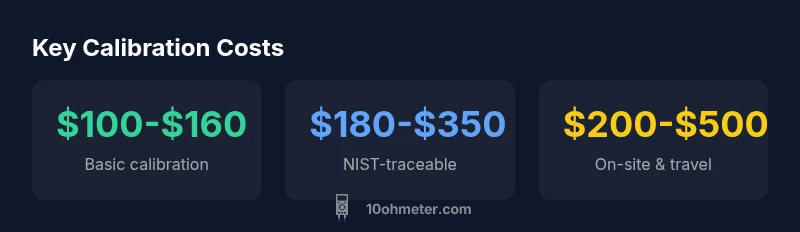
| Basic calibration (non-NIST) | $100-$160 | 5-7 business days | Essential checks on voltage/resistance/continuity |
| Advanced calibration (NIST-traceable) | $180-$350 | 1-2 weeks | Extended tests and documentation |
| On-site calibration | $200-$500 | 1-3 weeks | Travel charges apply |
| Bulk/contract calibration | contact for quote | varies | Discounts for multiple meters |
Your Questions Answered
Is calibration required for Fluke meters used in critical measurements?
Yes. Calibration provides traceability and confidence in measurements, which is essential for critical applications. Even if the device appears accurate, drift over time can affect decisions. Regular calibration aligns with industry standards and regulatory expectations.
Yes, calibration is important for accuracy and compliance in critical tasks.
How long does calibration take on average?
Most basic calibrations take about five to seven business days, while comprehensive or NIST-traceable calibrations can take one to two weeks depending on workload and shipping.
Most basic calibrations take about a week; complex ones may take a couple of weeks.
Can I calibrate a multimeter myself at home?
You can perform simple checks with known references, but professional calibration ensures traceability and audited certificates. DIY steps alone do not substitute for formal calibration in regulated contexts.
You can do basic checks, but professional calibration is essential for formal traceability.
What is NIST-traceable calibration and why does it cost more?
NIST-traceable calibrations use standards referenced to National Institute of Standards and Technology measurements. The enhanced documentation and equipment usage increase cost but improve data reliability and regulatory acceptance.
NIST-traceable means stronger documentation and standards backing, which costs more.
Are there cheaper alternatives to full calibration?
Yes. Regular self-checks, limited scope verifications, or periodic maintenance can reduce costs. However, they do not replace formal calibration when traceability and compliance are required.
You can do limited checks, but they don t replace full calibration for compliance.
Does Fluke offer calibration services directly?
Fluke and authorized labs provide calibration services, sometimes with higher rates. Compare options to ensure you get the scope you need at a fair price.
Fluke offers calibration services through authorized labs; compare options for scope and price.
“Calibration is the anchor of measurement confidence. When you choose accredited calibration, you ensure traceability and data integrity that your projects can rely on.”
Key Takeaways
- Define your accuracy needs first
- Expect cost bands by test scope
- Mail-in saves money; on-site reduces downtime
- Ask for line-item quotes and certificates
- Plan for 2026 price ranges and inflation