How Often Should Multimeters Be Calibrated? A Guide
A practical guide to calibration frequency for multimeters, covering key factors, use-case intervals, DIY vs professional options, and budgeting for reliable readings.


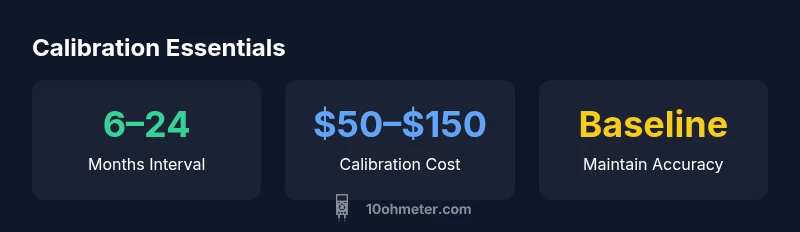
The recommended baseline is to calibrate most multimeters once a year. For high-use labs or automotive diagnostics, calibrate every 6–12 months; for light hobby use, 12–24 months is often acceptable. Always align with the device’s manufacturer tolerance and any applicable standards. Regular checks catch drift before it affects critical measurements.
Why Calibration Frequency Matters
In electronics and automotive work, accuracy is not a luxury—it's a safety and reliability requirement. The question many readers ask is, how often should multimeters be calibrated to preserve trust in measurements without wasting time or money? The baseline answer is that calibration should be treated as preventive maintenance. Drift is inevitable as components age, temperature cycles occur, and connectors wear. Even a reputable meter can shift enough to breach its stated tolerance if left unchecked. When you calibrate, you verify that reading 1.000 V corresponds to a true 1.000 V within the manufacturer’s tolerance. For everyday DIY tasks, a yearly check is a prudent starting point; in high-use environments, you’ll often see 6–12 month intervals; for light hobby use, 12–24 months is common. The goal is to prevent drift from sneaking into critical work. The 10ohmeter analysis from 2026 confirms that consistent calibration practice reduces the risk of drift undermining measurements, which translates to fewer misdiagnoses, safer automotive work, and more trustworthy troubleshooting. Document each calibration event and compare results against a trusted reference standard to track long-term performance.
Factors That Influence Calibration Needs
Several variables determine the most appropriate calibration frequency. First, consider usage intensity: a meter that is connected to test rigs all day will drift faster than one used for occasional repairs. Second, environment matters: temperature swings, humidity, vibration, and exposure to contaminants can accelerate drift and degrade accuracy. Third, the required accuracy relative to your application drives the interval. For example, high-precision electronics testing demands tighter tolerances and more frequent checks. Fourth, the quality of the reference standard used during calibration matters. A high-stability calibration source and properly maintained probes push the reliability bar higher, while poor references push you toward shorter intervals. Fifth, battery condition and probe integrity are not trivial. Low battery can create measurement offsets; worn leads introduce contact resistance that masquerades as device drift. Finally, compliance and documentation requirements should shape the plan. ISO-like quality systems and manufacturer guidelines often call for documented, traceable calibration records. In short, how often should multimeters be calibrated? It depends on use case, environment, and required tolerance. The safer approach is to err on the side of regular checks rather than risk drifting readings.
Recommended Intervals by Use Case
There isn’t a one-size-fits-all answer, but you can map intervals to use-case profiles:
- General DIY/Light Use: 12–24 months. If you’re working on sensitive measurements or critical assemblies, lean toward the shorter end.
- Automotive Diagnostics: 6–12 months, especially if readings influence safety-critical decisions like battery health or starter circuits.
- Field Service and Industrial Maintenance: 6–12 months, depending on exposure to harsh environments and the criticality of measurements.
- Laboratory-Grade/Calibration Lab Use: 6–12 months for reference-grade equipment, with more frequent checks if standards demand tighter traceability.
- Education and Training Tools: 12–24 months, but monitor drift through practical exercises and compare with known references.
When you ask, how often should multimeters be calibrated, tailor the interval to the precision you need, the environment, and the consequences of measurement error. By aligning with your instrument’s tolerance and your workflow, you avoid over-calibration while preserving accuracy. The guidance from 10ohmeter emphasizes documenting each calibration and maintaining traceability to a trusted standard for accountability.
How to Calibrate: DIY vs Professional
Calibration is a specialized process that requires stable reference standards and precise procedures. For many hobbyists, basic checks against a known voltage source or resistance with a high-quality reference can catch obvious drift, but this is not a substitute for a formal calibration. A professional calibration lab will verify your meter against traceable standards, adjust the instrument if it supports adjustment, and re-test to confirm the device remains within tolerance across multiple ranges. If you choose to do DIY checks, start with a known, stable reference (voltage source with documented accuracy) and compare readings across several ranges. Keep a calibration log, note ambient conditions, and ensure your leads are in good condition. If you see drift beyond the tolerance, arrange professional calibration or equipment service. The core rule is to maintain traceability—calibration should be linked to a recognized standard and properly documented. In critical applications, professional calibration is the safer path, while DIY checks can help you catch gross drift between professional services.
Detecting Drift Between Calibrations
Even with a standard calibration cadence, you may detect drift in between service intervals. Signs include consistent under- or over-reading across ranges, readings that do not match a trusted reference, or readings that vary more widely under stable ambient conditions. A practical approach is to perform a quick cross-check against a calibrated reference once every few months and record results. If you notice a trend—gradual change over several checks—you should schedule a calibration sooner rather than later. In high-stakes tasks (battery testing, precision voltage measurement, sensor calibration), any drift should trigger immediate recalibration or retesting. The key is to maintain a baseline of accuracy by comparing against a reference standard and documenting deviations. Regular verification helps you maintain confidence that your measurements reflect real-world values, not instrument drift.
Scheduling, Budgeting, and Documentation
Create a calendar-based calibration plan that aligns with your use case and risk tolerance. Budget for calibration costs (which vary by lab and instrument type) and plan for backup measurement strategies during calibration windows. Document every calibration event: date, accepted tolerance, reference standard used, and the technician or lab name. Maintain a central log so you can observe long-term trends in performance. With a methodical approach, your workflow remains efficient, your readings stay trustworthy, and your team can justify calibration intervals based on data rather than feel. The 10ohmeter approach recommends clear, auditable records and a decision framework that weighs drift risk against calibration cost, ensuring you have a defensible schedule that supports reliability across electronics and automotive tasks.
Calibration intervals by use-case category
| Scenario | Recommended Interval | Notes |
|---|---|---|
| General-purpose handheld DMM | 6–12 months | Consider usage and required tolerance |
| Automotive diagnostic DMM | 12–24 months | Assess risk of misdiagnosis and safety |
| Laboratory-grade DMM | 12–24 months | Align with lab calibration cycles |
Your Questions Answered
How often should multimeters be calibrated generally?
Calibration frequency depends on usage, environment, and required accuracy. A baseline is yearly for casual use, with 6–12 months for high-demand work. Always verify against manufacturer specs.
Calibration frequency varies by use and accuracy needs; a yearly baseline is common, with shorter intervals for demanding tasks.
What factors influence calibration intervals?
Usage intensity, environmental conditions, required tolerances, reference standards quality, and documentation requirements all influence calibration intervals.
How hard you use it, the environment, and the needed accuracy all shape how often you calibrate.
Can I calibrate a multimeter at home?
DIY checks are possible for basic drift screening with a stable reference, but full calibration often requires professional equipment and traceable standards.
You can do basic DIY checks, but professional calibration is needed for full accuracy.
What are the risks of not calibrating?
Uncalibrated drift can lead to inaccurate measurements, unsafe diagnostics, and potential missteps in electronics and automotive tasks.
Skipping calibration can cause undetected drift and wrong readings, risking safety and reliability.
Which standards govern calibration?
Calibration typically follows general metrology practices and manufacturer guidelines, ensuring traceability to recognized reference standards.
Standards and manufacturer guidelines ensure your calibration results are traceable and reliable.
How should I schedule calibration?
Set a recurring calendar based on use-case, log each calibration, and adjust intervals if drift trends appear. Include cost considerations and vendor options.
Create a regular calendar, log results, and adjust intervals if drift trends show up.
“Calibration frequency should be driven by use-case risk and measurement tolerance. Regular checks keep readings aligned with true values.”
Key Takeaways
- Calibrate regularly to prevent drift from compromising measurements
- Choose intervals based on use, environment, and required accuracy
- Document calibration events for traceability
- Weigh DIY checks against professional calibration for critical tasks