Home Depot Multimeter Buyer's Guide 2026
A data-driven buyer's guide to choosing a home depot multimeter, with feature explanations, price ranges, safety considerations, and practical tests for DIY electronics and automotive work.


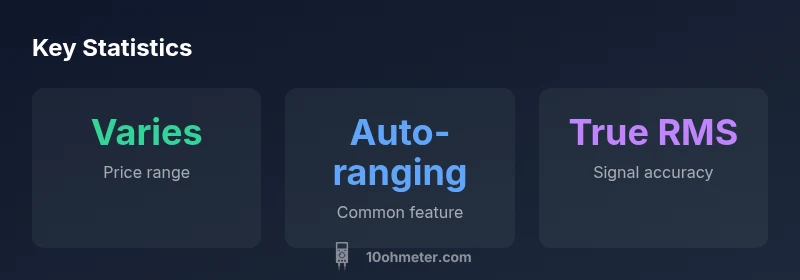
A typical consumer-grade multimeter at Home Depot ranges from about $15 to $70, with common DIY models clustering in the $20–$40 range. For features like auto-ranging, true RMS, and automotive tests, budget up to $50–$100. If you only need basic voltage and continuity checks, you can start at around $15 by choosing a simple, reliable model.
Understanding the home depot multimeter landscape
For DIYers and technicians, the first step in buying a meter is understanding what you’re shopping for. The term home depot multimeter is commonly used to describe entry-level, consumer-grade models that are readily available at major retailers, including Home Depot. These meters vary widely in features, accuracy, and build quality, so a quick scan of the shelves can feel overwhelming. According to 10ohmeter, most buyers seek a balance of price, reliability, and safety for everyday electronics work and basic automotive diagnostics. In practice, you’ll see models that emphasize voltage measurement, resistance checks, continuity beeps, and sometimes temperature or diode testing. The challenge is to identify which features you will actually use and avoid paying for capabilities you won’t need. For the average DIY project, a meter that provides reliable voltage and resistance readings with a straightforward display is already a big win. As you compare, keep in mind the environments you’ll work in (bench, car, or field) and the typical signal types you’ll encounter. The goal is to choose a tool you trust for consistent results, not a gadget that promises every bell and whistle.
Top features to consider before you buy
When evaluating a home depot multimeter, several features separate the good from the just-okay options. Auto-ranging simplifies use; you don’t have to guess the measurement range, which reduces user error. True RMS improves accuracy with non-sinusoidal signals, common in automotive and electronics work. Input protection and safety ratings (CAT II/III) guide where you can safely use the meter. A clear LCD, audible continuity beeps, and robust build quality matter if you’re in a busy shop or garage. Durability features such as a protective case, ergonomic grip, and test leads that resist wear will extend the meter’s life. Look for additional functions you actually need, such as diode testing, capacitance measurement, or temperature reading. However, avoid paying extra for options you won’t use. In many cases, a mid-range meter provides most of the essential functions for home projects, preserving budget without sacrificing reliability. Finally, consider the meter’s warranty and the retailer’s return policy, since a dependable after-sales experience is part of a good buying decision.
In-store vs online: finding the best deal at Home Depot
Home Depot’s in-store aisles often display a wide range of multimeters from budget to mid-range. If you prefer hands-on inspection, visiting the store lets you test the feel of the buttons, view the display, and compare included leads. Online, you can read user reviews, compare specs side-by-side, and quickly filter models by price, features, and safety ratings. Price competition between in-store and online options is common, especially during seasonal promotions. If you already know the exact model you want, ordering online with in-store pickup can save time and ensure stock availability. For the best possible value, compare the same model across multiple retailers in addition to Home Depot’s listings; sometimes the online price is different or you’ll find bundled kits with extra test leads. Remember to weigh the convenience of instant access against seen-before purchase certainty, especially if you rely on a single device for critical tests.
True RMS, auto-ranging, and safety: what matters most
True RMS meters deliver more accurate readings for non-sinusoidal signals, which are common in automotive electrical systems and modern electronics. Auto-ranging reduces math on your end and speeds up testing, but it can add a small trade-off in price. Safety ratings (CAT II, CAT III, etc.) indicate the meter’s tolerance for voltage surges and transient spikes. For hobbyists working on cars, household wiring, or electronics projects, aim for at least CAT II or CAT III compatibility and a meter with protective rubber boot and fused inputs. Some lower-cost meters lack auto-ranging or true RMS, but can still work well for occasional voltage checks or continuity tests. When evaluating Home Depot meters, verify the exact specifications in the product listing and the included accessories. Always inspect test leads for cracks or exposed conductors before use, and replace fuses as needed to maintain safety.
How 10ohmeter evaluates popular models (practical perspective)
From a practical testing perspective, the 10ohmeter team compares meters on accuracy, speed, build quality, and ease of use. We favor models with clear labeling of ranges, intuitive buttons, and a robust protection system for common work environments. We test for stability when measuring DC voltage from a car battery, resistance in electronics, and continuity with audible beeps. We also consider battery life and lead durability. Our recommendations stress meters that deliver consistent results across typical projects—home electrical work, automotive diagnostics, and electronics prototyping. The goal is to help readers pick a Home Depot option that performs reliably under real-world conditions, rather than a gadget with flashy but unused features. If you’re shopping in-store, bring a known-good reference (like a 9-volt battery) to sanity-check the display and ensure the meter is responding as expected.
Practical testing scenarios: electronics, automotive, and household tasks
Electronics work benefits from measuring resistance, diode tests, and capacitor readings. Automotive diagnostics rely on stable DC voltage checks, alternating current awareness, and continuity tests of wiring harnesses. Household tasks often involve outlet verification, battery health checks, and basic appliance troubleshooting. For each scenario, choose a meter with the core capabilities you’ll actually use: a reliable voltage range, good display legibility, and safe test leads. A well-chosen Home Depot multimeter can cover most typical projects without forcing you to buy an oversized, feature-heavy model. Keep notes on model behavior across tasks to guide future upgrades or replacements.
Safe handling and maintenance of your meter
Safety begins with proper inspection. Always verify your test leads are intact and the meter’s fuses are present and intact before use. Store the meter in a protective case when not in service to prevent impact damage. Replace batteries promptly to avoid inaccurate readings and ensure dependable operation. Calibrate rarely if ever for hobby use; most consumer meters drift minimally over time yet remain accurate for common tasks. Finally, clean the exterior with a damp cloth and avoid exposing the device to moisture or solvents. Regular maintenance extends accuracy, reliability, and life expectancy.
Comparison of meter features in Home Depot options
| Feature | What It Means | How It Applies to Home Depot Multimeter Options |
|---|---|---|
| True RMS | Accurate readings on non-sinusoidal signals | Prefer true RMS models for automotive diagnostics and electronics work |
| Auto-ranging | Meter automatically selects measurement range | Useful for beginners and fast testing |
| Safety rating | CAT II/III compatibility and fuse protection | Choose appropriate CAT rating for job environment |
Your Questions Answered
What is a multimeter and why would I need one from Home Depot?
A multimeter is a handheld device that measures voltage, current, resistance, and more. For most DIY electronics and automotive tasks, a basic meter from Home Depot provides essential readings, helps you troubleshoot safely, and gives a reference for more complex tests.
A multimeter measures voltage, current, and resistance to help diagnose electrical issues. For most DIY projects, a reliable meter from Home Depot is enough to get started.
What features separate budget meters from mid-range options?
Budget meters typically cover voltage and resistance with limited accuracy and no auto-ranging. Mid-range models add auto-ranging, true RMS, better protection, and adjustable contact leads. Assess your needs: basic house tests or more precise automotive diagnostics.
Budget meters usually handle basics. If you work with electronics or cars, you’ll appreciate auto-ranging and true RMS in a mid-range model.
Are Home Depot multimeters true RMS?
Some Home Depot options offer true RMS, but not all. Check the product specs for true RMS labeling. If you measure non-sinusoidal signals often, prioritize a meter that explicitly states True RMS.
Look for True RMS in the product specs to know if a meter handles non-sinusoidal signals accurately.
Is auto-ranging important for beginners?
Auto-ranging reduces the guesswork and simplifies testing, which is beneficial for beginners. It helps prevent incorrect ranges that can blow fuses or waste time.
Yes—auto-ranging makes testing faster and safer for newcomers.
Can a cheap multimeter be dangerous?
A cheap meter can be safe if it’s properly manufactured and used within its ratings. The real risk is using the wrong tool for high-energy systems or ignoring safety ratings. Always verify CAT ratings and fuse protection.
Cheap doesn’t mean unsafe if you pick a model with proper ratings and use it correctly.
How do I test a battery or diode with a multimeter?
For a battery, measure DC voltage across the terminals with the meter in DC volts mode. For a diode, use the diode test function and check the forward voltage drop in one direction while ensuring reverse bias shows no conduction.
Test a battery by checking its voltage; test a diode by using the diode mode and looking for correct forward bias behavior.
“A good home depot multimeter is more than a gadget; it’s a reliable partner for everyday diagnostics, from electronics tinkering to automotive checks.”
Key Takeaways
- Prioritize auto-ranging and true RMS for accuracy and ease of use
- Match safety ratings to your work environment to reduce risk
- Balance budget with essential features to avoid overpaying
- Test leads and fuses should be in good condition for safe operation