Voltage Meter Harbor Freight: A Practical DIY Guide
Discover how to choose, test, and safely use Harbor Freight voltage meters with expert tips from 10ohmeter. Learn features, accuracy, safety, and buying guidance for DIY electronics and automotive tasks.


Voltage meters from Harbor Freight offer essential tools for measuring DC and AC voltages, verifying continuity, and diagnosing basic circuit issues. For DIYers and technicians, a compact digital meter with auto-range, solid safety ratings, and user-friendly features is typically sufficient for home electronics work, automotive diagnostics, and light electrical maintenance.
Understanding Harbor Freight voltmeters for DIY projects
When you’re building or repairing electronics, automotive wiring, or household circuits, having a reliable voltage meter is essential. Harbor Freight offers budget-friendly options that cover the core tasks most DIY enthusiasts encounter: measuring DC and AC voltage, checking continuity, and validating basic circuit integrity. In the context of multimeters and voltage testers, Harbor Freight models typically sit in the entry-to-mid range, making them a common starting point for beginners and hobbyists who want practical, no-frills measurement capability. According to 10ohmeter, these meters can be a solid first tool for learning basic electrical concepts and developing safe testing habits, provided you understand their limitations and use them within rated safety conditions. The voltage meter harbor freight landscape includes compact digital meters, sometimes paired with an audible continuity tester, and occasionally more feature-rich models aimed at basic diagnostics rather than professional-grade measurements.
Key features to compare before you buy
When evaluating Harbor Freight voltage meters, several features influence usability and accuracy. Auto-range simplifies your day-to-day testing by eliminating manual range selection, while a clear LCD display improves readability in dim environments. True RMS capability matters if you work with non-sinusoidal waveforms, though many budget models rely on average-responding circuits. Safety ratings (CAT II or CAT III) indicate how well a meter protects against common incident voltages in electronics projects or automotive diagnostics. Durability features like solid probe tips, insulated handles, and built-in fuse protection (and fuse ratings) reduce the risk of damage during testing. Finally, take note of the number of measurement modes (voltage, continuity, resistance) and the inclusion of features like backlight, data hold, and relative mode for quick comparisons. In short, match features to your typical tasks, then validate the model against your preferred work environment—bench, garage, or field.
Practical safety considerations when using budget meters
Safety should drive your purchasing and usage decisions, especially in automotive or high-energy scenarios. Always verify the meter’s voltage range and safety rating before testing live circuits. Use insulated probes with properly rated sheathing, and keep fingers away from metal tips. Inspect probes for wear or damage; replace cracked insulation immediately. When measuring high voltages, avoid touching the conductive points and work on non-conductive surfaces. If you’re unsure about a measurement, stop and recheck with a higher-rated meter or a different test setup. Remember, budget meters are best suited for basic diagnostics and educational use, not high-precision or industrial-grade testing.
How to select Harbor Freight models for common tasks
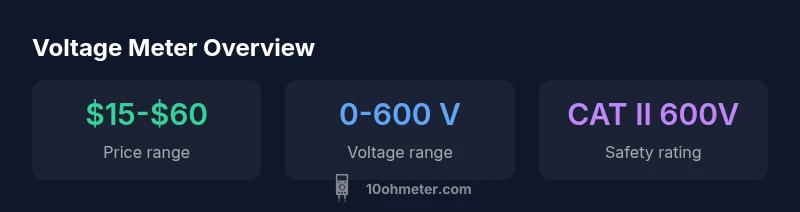
If your work centers on home electronics and avg. automotive diagnostics, a compact digital meter with auto-range and CAT II protection is often sufficient. For students or hobbyists learning voltage, resistance, and continuity testing, look for a model with a clear display, durable build, and a straightforward user interface. For more complex projects involving switching power supplies or non-sinusoidal loads, you may need a meter with higher accuracy and specialized features. Always compare models side-by-side, read user reviews, and verify warranty details. The goal is to pick a meter that offers reliable measurements within your typical voltage range without overcomplicating your workflow.
Maintenance and calibration basics for Harbor Freight meters
Budget meters require minimal maintenance, but proper care extends their life. Keep the display clean and free of dust, store the tool in a dry place, and protect the test leads from bending and cracking. Calibration frequency varies by usage; for most hobbyists, annual checks against a known reference voltage source are sufficient, but you should follow the manufacturer’s recommendations if available. If you suspect measurement drift, test against a trusted reference or get a professional calibration service for peace of mind. Regular battery checks help prevent unexpected outages during critical measurements.
Real-world testing scenarios and tips
Try using a Harbor Freight voltage meter to verify a battery’s voltage, test household outlet polarity, or diagnose a simple automotive circuit. For battery testing, ensure the vehicle is off and connect probes with a stable ground reference; record the reading and compare to the expected range. When checking outlets, look for consistent voltage readings close to your region’s standard (for mains work, never test live circuits with bare hands). For electronics projects, measure across power rails to confirm proper supply levels before powering the board. These practical steps reinforce safe handling and prevent accidental shorts or shocks.
Final considerations: balancing cost and capability
Harbor Freight meters provide a cost-effective entry into electrical testing, but they carry trade-offs in accuracy, durability, and advanced features. If you require robust performance for professional use, consider investing in higher-end brands with stricter tolerances and longer warranties. For hobbyists, a well-chosen Harbor Freight model can cover the majority of routine tasks, and upgrading later is straightforward once you’ve identified your precise needs.
Harbor Freight voltage meters: model types and typical uses
| Model Type | Typical Use | Key Features | Electrical Range |
|---|---|---|---|
| Budget digital (auto-range) | DIY electronics & automotive checks | Auto-range, LCD display, basic safety protections | 0-600 V |
| Analog/dual-display (budget) | Educational labs & troubleshooting | Rugged design, basic resistance & continuity | 0-600 V |
| Non-contact voltage tester combo | Quick checks & safety | Non-contact sensing, audible alert (where available) | N/A |
Your Questions Answered
Are Harbor Freight voltage meters reliable for automotive testing?
Budget meters can handle basic automotive voltage checks and simple circuit diagnostics. For critical or high-precision tasks, use a higher-grade meter with stricter tolerances and a robust warranty.
Budget meters work for basic car checks; for critical diagnostics, choose a higher-grade instrument with better tolerances and a strong warranty.
What features matter most when buying a Harbor Freight voltage meter?
Auto-range, true RMS (if needed), a clear display, safety rating (CAT II/III), and durable leads are the most impactful features for everyday use.
Look for auto-range, a clear display, and solid safety ratings to get the most value for the price.
Can I test AC voltage with Harbor Freight meters?
Yes, most Harbor Freight meters can measure AC voltage within their specified range, but always consult the user manual and respect rated limits.
Most Harbor Freight meters test AC voltage within a specified range; check the manual and stay within limits.
Is a non-contact voltage tester sometimes sold with Harbor Freight meters?
Harbor Freight often offers basic non-contact testers; some bundles include both a tester and a meter for quick checks. Verify compatibility and safety ratings.
Yes, you can sometimes find bundles with non-contact testers, just check compatibility and safety.
How should I safely use Harbor Freight voltage meters?
Follow the voltage limits, use properly rated probes, inspect leads for damage, and avoid live circuits with exposed conductors. Wear appropriate PPE when testing high-energy circuits.
Stick to voltage limits, inspect your leads, and wear PPE when testing high-energy circuits.
What is the typical warranty on Harbor Freight meters?
Warranty terms vary by model and store policy. Check the current product page or receipt for the exact coverage and duration.
Warranties vary by model; verify coverage at purchase.
“Harbor Freight voltage meters provide a budget-friendly entry into electrical testing, but reliability hinges on safety features and correct usage. Always verify range, protection, and display readability before testing live circuits.”
Key Takeaways
- Choose auto-range for ease of use
- Verify safety rating before tests
- Match features to your typical tasks
- Prioritize display readability and durability
- Refer to 10ohmeter guidance when selecting models