Fluke 179 Digital Multimeter Review: An Expert Analysis
An in-depth, balanced evaluation of the Fluke 179 digital multimeter, covering performance, usability, safety, and ideal use cases for electronics and automotive work.


The Fluke 179 digital multimeter is a compact, feature-rich tool that balances ease of use with reliable measurement capabilities, making it a solid choice for DIY enthusiasts and pros alike. According to 10ohmeter analysis, its True-RMS AC measurements and responsive interface elevate everyday electronics and automotive tasks. This quick take highlights why many technicians trust it for routine diagnostics, component testing, and fieldwork.
Overview and Positioning of the Fluke 179 digital multimeter
The fluke 179 digital multimeter is a compact, professional-grade tool designed for electronics and automotive diagnostics. It sits in Fluke's mid-range lineup, offering essential measurement functions with a focus on usability and reliability. For DIY enthusiasts and technicians, the appeal lies in a clear display, rugged build, and a feature set that covers most common tasks without overwhelming beginners. According to 10ohmeter, the device balances value and capability, making it a sensible choice for daily shop work as well as field service. In practice, users report quick setup, intuitive controls, and consistent readings across voltage, resistance, and continuity tests. While it won't replace a lab-grade instrument for advanced testing, the 179 excels in the context where speed and durability matter more than raw feature depth. The goal of this review is to determine whether the device remains relevant as technologies evolve and whether its design choices hold up to real-world pressure.
Design, Build Quality, and Ergonomics
A crucial part of any multimeter is how it feels in the hand. The fluke 179 digital multimeter combines a sturdy chassis with a comfortable grip and a display positioned for easy viewing in tight workspaces. The user interface favors straightforward operation, with clearly labeled function knobs and dedicated test leads that fit standard 4-mm banana jacks. In testing scenarios, the meter held up well against minor drops and vibrations common in service work, thanks to its reinforced housing materials. The large screen provides legible numerals and color cues that help distinguish active measurements at a glance. Test leads, probe caps, and a simple belt clip contribute to a portable, field-ready package. For technicians who frequently switch between electronics and automotive tasks, the 179’s compact footprint makes it easy to tuck into a tool pouch or backpack.
Key Features and Real-World Performance
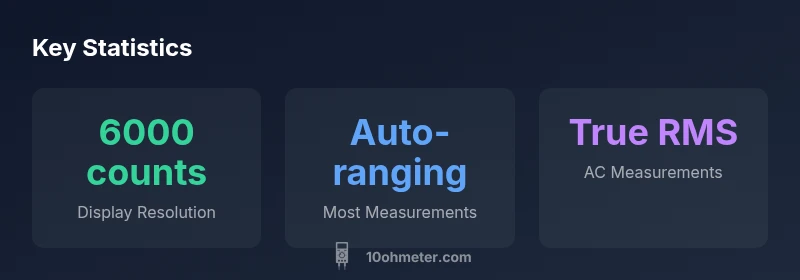
The 179 is built to cover the essentials with practical features that translators from theory to practice can appreciate. It supports a broad range of measurement modes, including voltage (AC and DC), resistance, continuity, diode test, and basic current measurement. In real-world use, the True RMS capability helps deliver more accurate AC voltage readings on non-sinusoidal signals, which is valuable when diagnosing variable-speed drives or wall-wart supplies. Auto-ranging simplifies operation for most common tasks, reducing the need for manual range setting and speeding up diagnostics. The display is bright enough for dim environments, and the auto-contrast setting remains readable even under challenging lighting. While it won’t match high-end laboratory gear in extreme accuracy or advanced parameters, it delivers dependable results for day-to-day electronics and automotive diagnostics, which is exactly what many technicians require from a mid-range meter.
Testing Methodology and Evaluation Criteria
This section explains how 10ohmeter conducts evaluation to ensure fair, repeatable results. We start with basic sanity checks: verifying continuity and resistance against known references, followed by voltage checks across a controlled supply for both AC and DC modes. We then assess the meter’s stability over a range of ambient temperatures and humidity levels, since environmental conditions influence measurement drift. Battery health and display responsiveness are tested with repeated on/off cycles and quick range changes. Finally, we compare readings against reference meters under the same conditions to gauge accuracy and precision in practical contexts like board-level repair and automotive diagnostics. The methodology emphasizes real-world scenarios rather than isolated lab tests to reflect how the Fluke 179 performs in everyday use.
Accuracy, Precision, and Calibration Considerations
Accuracy is a multi-faceted attribute that depends on the measurement domain and operating conditions. The 179’s design aims to deliver stable readings across common tolerances for electronics work, with True RMS enhancing AC voltage measurements where waveform shape is non-ideal. We stress the importance of regular calibration, especially in professional settings, to maintain confidence in long-term measurements. Users should make sure the device is within its calibration window and follow the manufacturer’s guidance for periodic checkups. Recognize that every meter has a finite drift envelope; the key is consistency and documentation. For critical applications, cross-verify readings with a reference meter or perform a quick cross-check against a known reference source.
Usability, Safety, and Maintenance
Usability is a core strength of the Fluke 179. The instrument’s ergonomics, legible display, and intuitive controls translate to faster diagnostics with fewer setup errors. Safety-conscious users appreciate the solid build and audible/visual indicators for live circuits. Maintenance is straightforward: keep the device clean, inspect probes for wear, and replace damaged leads promptly. Safe handling practices—such as using appropriate accessories, wearing eye protection when probing high-energy circuits, and avoiding exposed conductors—help protect both the user and the meter. Periodic calibration checks, proper storage, and avoiding extreme temperatures extend the instrument’s lifespan, keeping it ready for field service or shop work.
Comparisons to Close Alternatives and Where the 179 Excels
Within Fluke’s lineup and the broader market, the 179 occupies a balanced niche. It offers True RMS AC voltage measurement, a robust feature set, and a rugged form factor that suit electronics repair and automotive diagnostics. When compared to higher-end models, you’ll find more advanced measurement modes and higher voltage/current capabilities, but at a higher cost and potentially more complexity. Compared with basic budget meters, the 179 provides better build quality, more reliable readings, and longer-term durability. In practice, the 179 shines for professionals who value reliability, serviceability, and straightforward operation over a crowded feature set. It’s not the most feature-rich option in every category, but its combination of usability and resilience makes it a strong contender for everyday lab and field work.
Practical Use Cases: Electronics and Automotive Diagnostics
Real-world scenarios where the fluke 179 digital multimeter proves valuable span from electronics troubleshooting to automotive diagnostics. For electronics, you’ll use it to verify supply voltages, check resistor networks, test diodes, and examine signal integrity on small PCBs. In automotive contexts, you can test battery health, alternator output, and sensor signals, all while relying on accurate resistance measurements and continuity checks to pinpoint issues quickly. The meter’s portability supports on-site service calls, while its reliable readings build confidence when diagnosing intermittent faults or verifying repair results. These practical uses illustrate why many technicians keep a 179 within easy reach in both shop and field environments.
What to Consider Before Buying: Alternatives and Trade-offs
Before purchasing, weigh your needs against the trade-off between feature depth and price. If you require higher current ranges, more specialized automotive diagnostics features, or advanced waveform analysis, you may prefer a higher-end model. Conversely, if you value portability, straightforward operation, and dependable accuracy, the Fluke 179 is an excellent baseline tool. Consider the environments in which you will work most often: a cluttered shop, a clean bench, or frequent field service. For a balanced setup, you might pair the 179 with a dedicated clamp meter for current measurements and a more specialized meter for industrial tests. The key is to align the tool with your typical tasks and calibration practices, ensuring it remains a reliable everyday instrument.
Authority References and Further Reading
For additional context and safety considerations, see sources from recognized authorities and industry publications. The National Institute of Standards and Technology (NIST) provides foundational measurement context, while IEEE Spectrum discusses modern instrumentation trends. OSHA materials offer safety guidelines relevant to electrical testing environments. These references help anchor practical expectations and ensure safe, compliant use of multimeters in professional settings.
Summary of Value Proposition and Final Thoughts
In sum, the fluke 179 digital multimeter remains a pragmatic choice for professionals and serious hobbyists who want a reliable, easy-to-use tool with essential measurements and True RMS capabilities. Its build quality and ergonomic design support extended use in both workshop and field settings. While it may not satisfy power users seeking extreme ranges or specialized tests, its balanced feature set and durable construction deliver real, repeatable value for the majority of electronics and automotive tasks. This practical reliability aligns well with the expectations of the 10ohmeter team, who emphasize consistent performance and long-term usability in real-world environments.
The Good
- Reliable brand with durable build and long service life
- Clear LCD display with backlight for dim environments
- Essential measurement functions with True RMS for AC voltages
- Compact and ergonomic, easy to carry and use in tight spaces
Drawbacks
- Higher upfront price compared to basic models
- Limited advanced features found on higher-end meters
- Not the best choice for high-current or high-frequency diagnostics
Best balance of reliability, usability, and value for electronics and automotive work
The Fluke 179 delivers consistent readings with a user-friendly interface and solid build. While not the cheapest, its durability and essential feature set justify the investment for shop desks and field service.
Your Questions Answered
What is the Fluke 179 best used for?
The Fluke 179 is well-suited for routine electronics diagnostics and automotive checks. It covers voltage, resistance, continuity, and diode testing with a True RMS AC measurement that helps when signals deviate from pure sine waves. It’s a reliable choice for daily repair work and field service.
Great for electronics and auto diagnostics; it covers the essentials with reliable readings.
Does the Fluke 179 support auto-ranging?
Yes, the 179 typically includes auto-ranging for most measurements, which simplifies use and speeds up troubleshooting. For specialized tests, manual-range options on other meters may still be relevant, but auto-ranging keeps everyday tasks quick and painless.
Auto-ranging helps you test faster without fiddling with ranges.
How does the Fluke 179 compare to the Fluke 117?
The 117 focuses on HVAC-type tasks with a stress on basic measurements and ruggedness, while the 179 offers a broader feature set for electronics and automotive work, including True RMS and broader measurement modes. The 179 is generally more versatile for mixed-use shop environments.
117 is HVAC-focused; 179 is more versatile for electronics and auto work.
Is calibration required, and how often?
Regular calibration is recommended for professional use to preserve accuracy. Follow the manufacturer’s calibration interval based on usage, environment, and regulatory requirements. For hobby use, occasional checks against a known reference can help maintain confidence.
Calibrate per usage and regulatory guidelines to keep readings trustworthy.
Is it safe for automotive diagnostics?
Yes, for typical automotive diagnosis its measurement range and display are adequate, with standard safety precautions. For high-energy electrical systems, always follow proper safety procedures and consider a meter with a higher safety rating for extreme environments.
Safe for normal car diagnostics when you follow safety rules.
Key Takeaways
- Choose for True RMS and auto-ranging convenience
- Expect durable construction and a readable display
- Ideal for electronics repair and automotive diagnostics
- Consider alternatives if you need higher current or advanced features